Traditions of the Barony of Cononsyth
A restrained look at the customs, records, rural life and inherited memory connected with the Barony of Cononsyth.
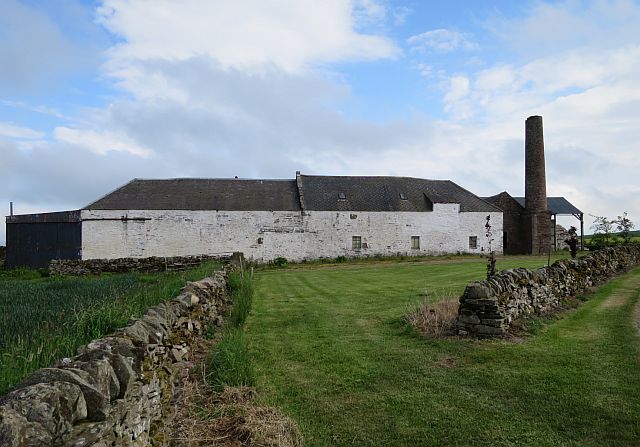
The traditions of Cononsyth are most effectively interpreted through the inland Angus landscape: systems of landholding, agricultural practice, parochial organisation, patterns of family succession and the sustained preservation of records across generations.
Tradition in the Documentary Record
For an historic Scottish barony, tradition is constituted not solely by ceremony but, in significant part, by the systematic maintenance of names, charters, sasines, estate papers, maps and family memory. The identity of Cononsyth is transmitted through these materials and through the continuing effort to conserve, catalogue and interpret them.
This page intentionally avoids speculative practices, invented customs and uncorroborated claims. It presents the traditions of Cononsyth in a manner consistent with archival and academic standards: through evidence relating to landholding, kinship, parish structures, record-keeping and longue durée continuity.
Land and Boundary
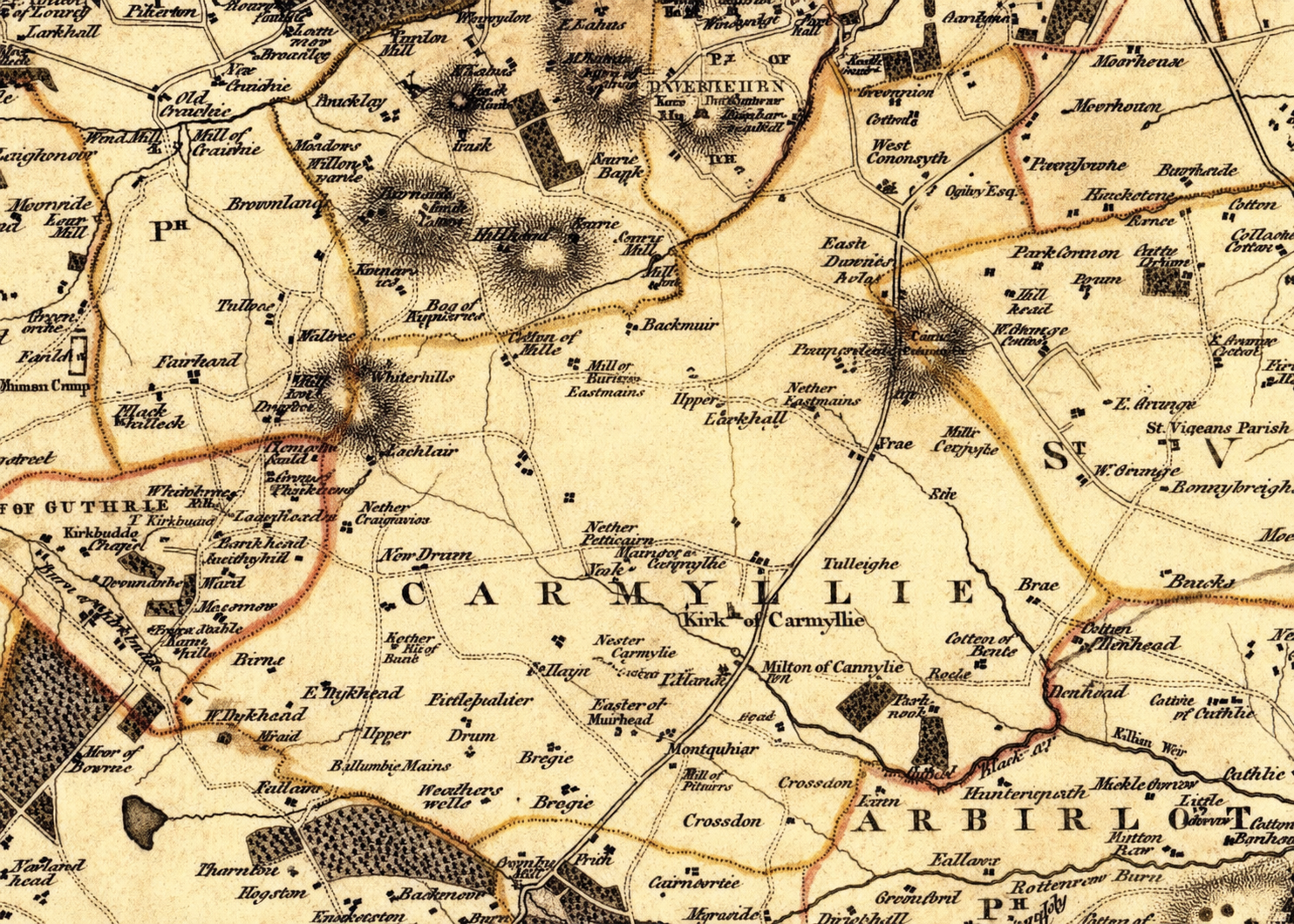
The earliest identifiable traditions of Cononsyth are embedded in the organisation of land: fields, marches and boundaries, farms, road networks and the historically remembered configuration of the estate landscape.
Rural Life
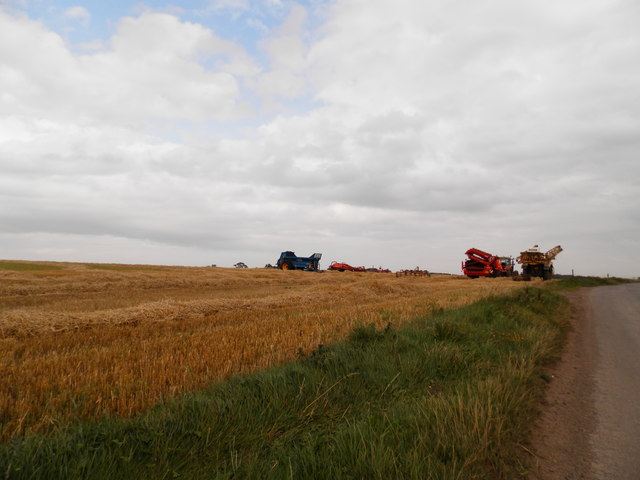
Situated within the inland countryside of Angus, Cononsyth exhibits traditions closely aligned with agricultural regimes, estate management, seasonal labour patterns and the continuities of rural social and economic life.
Memory and Record
The preservation of Cononsyth as an historical entity is dependent upon documents, family nomenclature, cartographic sources and legal memory. The practice of record-keeping itself constitutes one of the barony’s principal and most enduring traditions.
Key Traditions
The traditions of Cononsyth are here articulated as broad, evidence-based thematic categories rather than as reconstructed or invented ceremonial practices.
Stewardship
The stewardship of land, records and reputation occupies a central position within the baronial tradition. In the modern context, this stewardship is expressed primarily through preservation, interpretation and public accessibility rather than through jurisdictional authority.
Succession
The historical development of Cononsyth has proceeded through a succession of families and holders of the dignity. The continuity of personal and estate names, supported by documentary evidence, forms a substantial component of its enduring identity.
Parish and Place
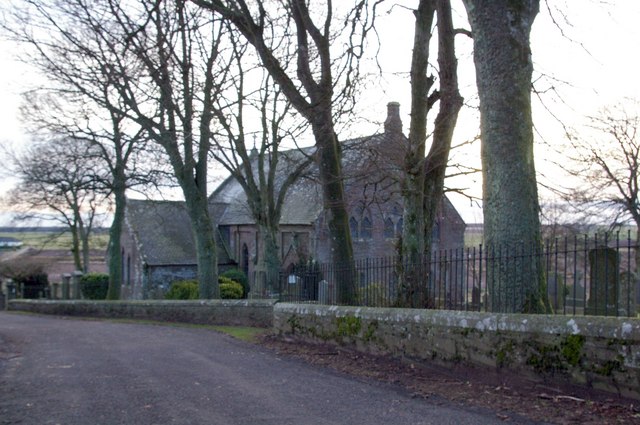
The barony forms part of the wider historical framework of Carmyllie, Angus and the former county of Forfarshire. Its traditions are local and rural in character, and are deeply embedded in specific parochial and regional contexts.
Tradition in the Present
In the present period, the traditions of Cononsyth are expressed through historical research, the maintenance and dissemination of public record, scholarly and educational presentation, and the responsible continuation of a recognised Scottish baronial dignity.
The contemporary objective is not to reconstitute former powers that have lapsed, but to conserve, document and interpret the dignity, history and memory of Cononsyth in a manner consistent with professional archival and academic practice.
A Note on Tradition
No unsupported festivals, courts, ceremonies or local customs are asserted here as fixed traditions of Cononsyth. In areas where evidence remains incomplete or under active investigation, the language employed is intentionally cautious and provisional.
The traditions described on this page are therefore deliberately grounded in elements that can be responsibly associated with an historic rural Scottish barony: land and boundary, documentary record, family succession, parish context, long-term stewardship and continuity over time.
 Barony of Cononsyth