Families Associated with Cononsyth
The historical development of Cononsyth is traceable through the families whose names occur in surviving records, including land documents, charters, estate papers and materials relating to later succession.
This page provides a concise, reference-oriented overview of the principal families associated with Cononsyth, without reducing the historical narrative to a mere catalogue of individuals. The fuller succession remains the subject of ongoing archival investigation and comparative research.
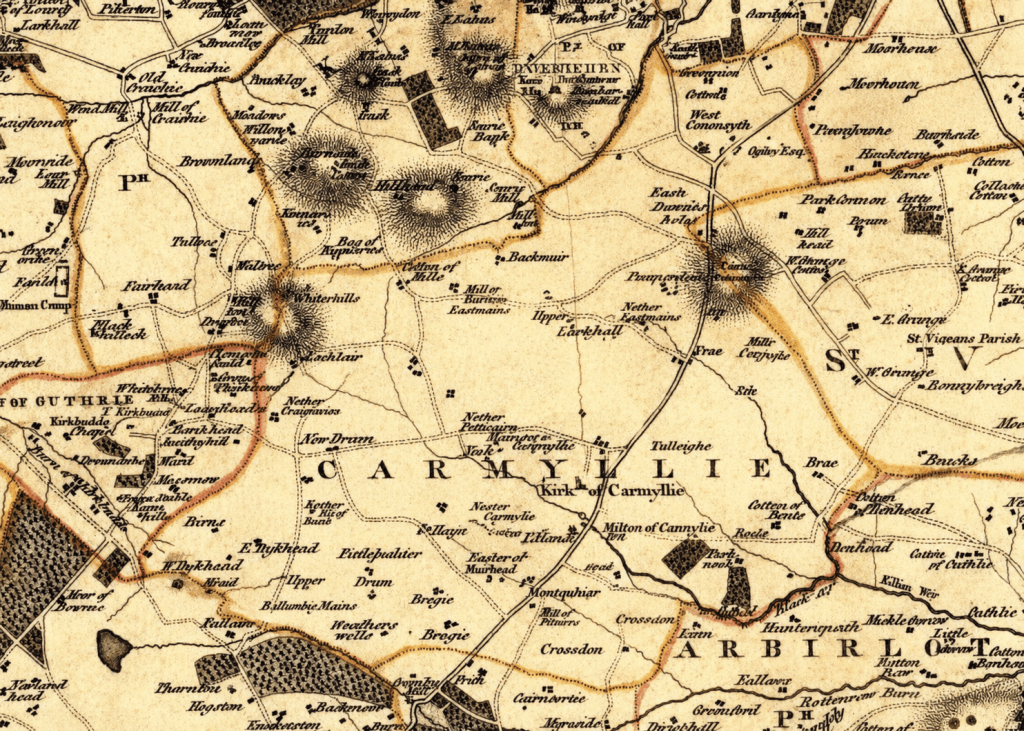
Succession of Families
Across the documented history of Cononsyth, the record passes through a number of families connected with the lands, estate, barony and, in later periods, the dignity. Some are clearly attested in extant sources; others belong to phases for which the evidential base is still being assembled, assessed and compared.
Accordingly, this page presents family names with caution and selectivity. It is intended as a guide to the principal houses and surnames associated with Cononsyth, rather than as a definitive legal or genealogical statement of succession.
Principal Family Names
The following names appear in the broader historical reconstruction of Cononsyth, based on analysis of the surviving documentary record.
- de Conan
- Tulloes
- Gardyne
- Beaton
- Ogilvy
- Rait
- Raitt
- Skinner
- Brown
- Smart
- Rettie
- Ewan
- Afiléon
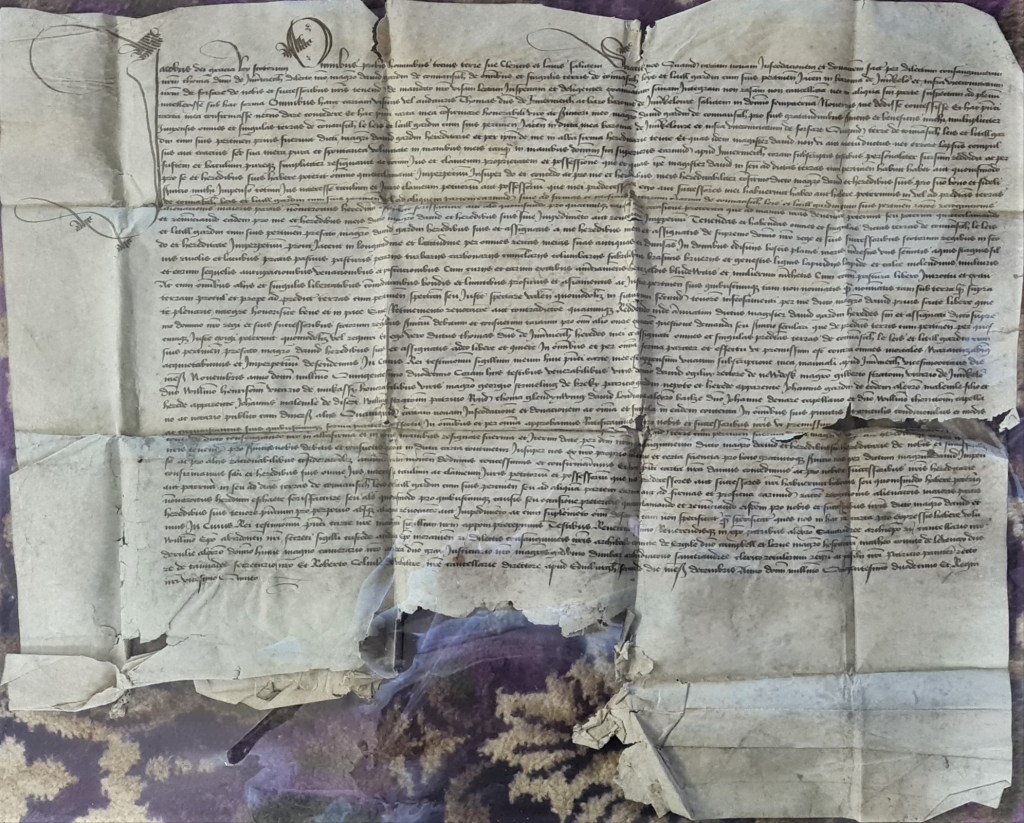
Family Periods
The earlier record of Cononsyth is associated with names such as de Conan, Tulloes and Gardyne, situating the lands within the medieval and late-medieval landscape of Angus.
In the sixteenth and seventeenth centuries, the evidence is particularly linked with the Gardyne, Beaton, Ogilvy and Rait families, whose names intersect with the wider history of Angus landholding, ecclesiastical life and local estate succession.
In subsequent centuries, the record brings forward names including Skinner, Brown, Smart, Rettie, Ewan and Dowell, reflecting the changing character of Scottish property, estate management and baronial dignity after the medieval period.
Modern Continuity
In the modern period, the name Afiléon forms part of the continuing record of Cononsyth. The emphasis in this phase is not on territorial authority, but on preservation, research, public documentation and the responsible continuation of an historic Scottish dignity.
The families listed here are presented as elements within the developing historical record of Cononsyth. Further research is in progress into the precise documentary chain, corroborative evidence and succession of holders.
A Note on the Documentary Record
The history of Scottish landholding is frequently preserved in fragmentary form, through charters, sasines, estate sales, maps, family papers and later legal instruments. The case of Cononsyth conforms to this wider archival pattern.
 Barony of Cononsyth