Barony of Cononsyth
A historic Scottish barony of Angus, associated with the lands of Cononsyth in the parish of Carmyllie.
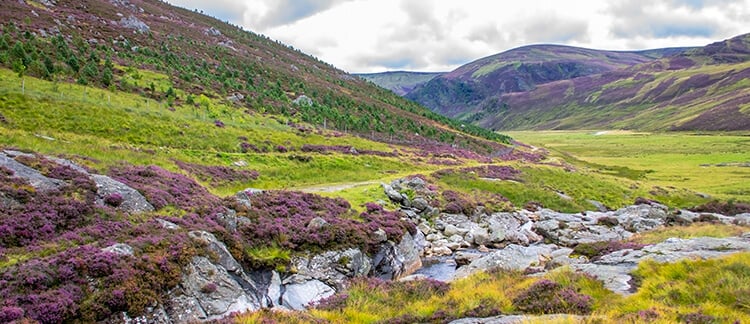
Cononsyth is located within the inland agricultural landscape of Angus rather than the coastal strip. The documented history of the barony is preserved through charters, sasines, estate papers, cartographic evidence, local histories and subsequent legal instruments.
Toponymy and Early Context
Cononsyth is a historic place-name in Angus, Scotland, associated with the rural hinterland surrounding Carmyllie. The name is transmitted through estate documentation, local archival records, mapped features, farms and the wider administrative and social history of the district.
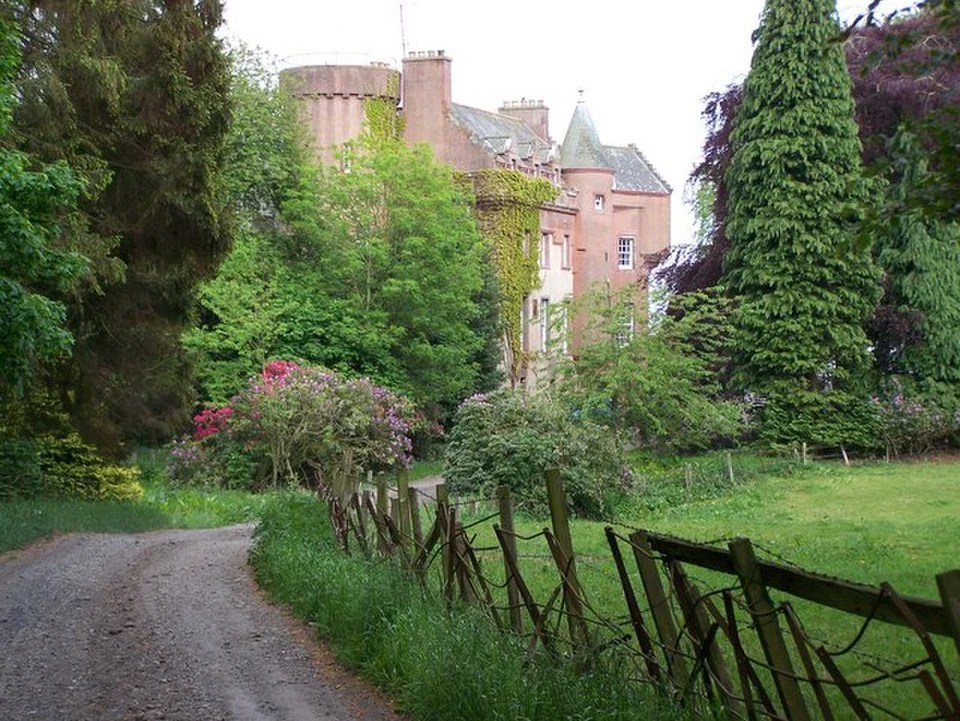
Cononsyth House is recorded in Carmyllie, Angus, with the Ordnance Survey National Grid Reference NO 56629 46426, placing it firmly within inland Angus.
Documentary Preservation
The history of Cononsyth is principally preserved through written and cartographic sources rather than through oral tradition or legend. Charters, sasines, estate records, maps and later legal documentation together provide the evidential framework for reconstructing the development of the lands and barony.
By the eighteenth century, Cononsyth appears in formal estate material as the \
The Barony in the Contemporary Era
In the present day, the Barony of Cononsyth constitutes a historic Scottish feudal barony dignity. Following the abolition of feudal tenure in Scotland in 2004, a barony ceased to confer ownership of the historic lands or any form of territorial jurisdiction, and now persists solely as an incorporeal heritable dignity.
The current holder of the dignity is The Much Honoured Phillip R. D. W. Afiléon of Cononsyth, Baron of Cononsyth, who acquired the barony in 2024.

Historic Timeline
A concise outline of the documented and continuing record of Cononsyth, presented in chronological sequence.
1394
Earliest known recorded reference associated with the Cononsyth name within the medieval Angus landscape.
1493
The lands of Cononsyth are attested within the late medieval configuration of landholding in Angus.
1511–1512
Cononsyth is cited in early sixteenth-century charter and sasine material linked to the Gardyne family and neighbouring territorial units.
1597
Subsequent family historiography records William Rait of Hallgreen as receiving a charter of Cononsyth from the Gardyne family.
1609
The parish of Carmyllie was erected from portions of adjoining parishes, incorporating lands associated with the earlier district of Inverkeilor and with Cononsyth.
1751
The lands and barony of Cononsyth are listed in estate sale particulars together with Parkoning and Ruives, within the sheriffdom of Forfar.
1800s
Cononsyth House and the surrounding designed and agricultural landscape are represented in later cartographic surveys and nineteenth-century historical accounts.
2004
Scottish feudal tenure was brought to a formal close. The dignity of baron continued in existance, but detached from feudal landownership and jurisdictional authority.
2024
Phillip R. D. W. Afiléon acquired the dignity of the Barony of Cononsyth.
Research Notes
This page functions as an evolving scholarly record. Certain stages in the succession of the Barony of Cononsyth are underpinned by explicit documentary evidence, while other segments remain provisional pending further archival corroboration.
Ongoing research is directed towards elucidating the complete chain of title, identifying historical holders, and refining the understanding of estate records, maps, sasines and charter references associated with Cononsyth.
 Barony of Cononsyth